
 1 · COLLECTEmployment terms
Employment and pay terms
GetInstantProof guide
Start with what you were actually paid and the hours or entitlements you believe are missing. Keep payslips, rosters, timesheets, bank statements, employment terms, relevant pay-rate information and messages with the employer. The evidence problem and the legal-entitlement problem are related but not identical: first organise the hours, payments and records, then verify the correct rate and recovery process for the applicable employment system.
General information only — not legal advice · Reviewed 2 October 2026
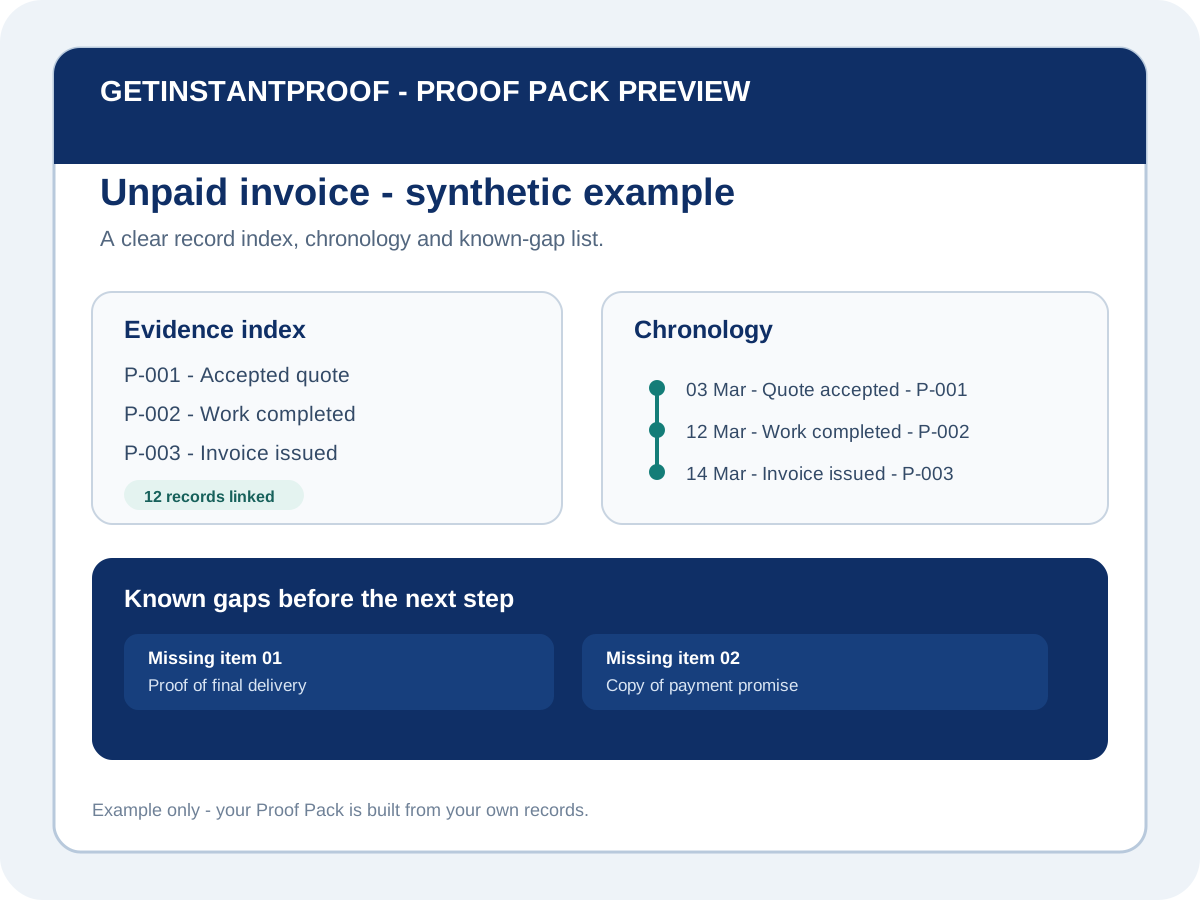
Keep the originals, organise the important records, connect them to the events they support, then make missing information visible.
1 · COLLECTEmployment termsEmployment and pay terms
 2 · ORGANISEWork / pay records
Hours worked
 3 · PROOF PACKEmployer response
What was actually paid
Keep rosters, timesheets, clock records, job records and lawful notes of hours worked.
Keep payslips, bank deposits, payroll summaries, leave balances and any corrected payslips.
Compare expected gross/net components with the actual payslip and payment without rewriting the original payroll record.
If payslips, timesheets or payroll records are missing, list the gap and preserve alternative records such as rosters, calendars, job records, messages and bank entries. Do not invent the missing payroll data.
| Pay period | Hours/entitlement | Expected | Paid | Difference | Source |
|---|---|---|---|---|---|
| 1–14 May | 76 ordinary hours | A$— | A$— | A$— | Roster R01 + payslip P01 |
Use verified figures from your records. This example is structural only.
GetInstantProof organises the wage record. It does not calculate legal entitlement unless the applicable rule has been separately verified.
Continue the journey
Common questions