
 1 · GATHERBring the records together
GetInstantProof
How GetInstantProof works
Start with the records you already have. GetInstantProof helps arrange them into a chronology, connect events to source material, flag gaps and create a readable pack.
Start my proof packHOW IT WORKS VISUALLY
1. Gather → 2. Organise → 3. Proof Pack.
1 · GATHERBring the records together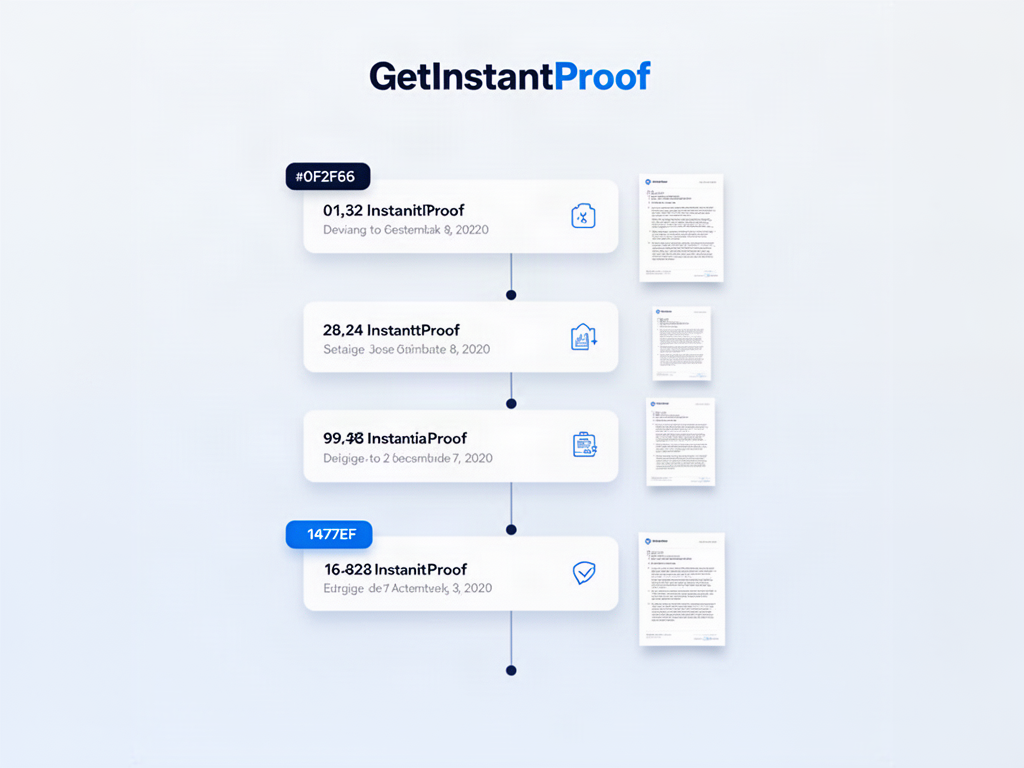 2 · ORGANISEBuild the timeline and source links
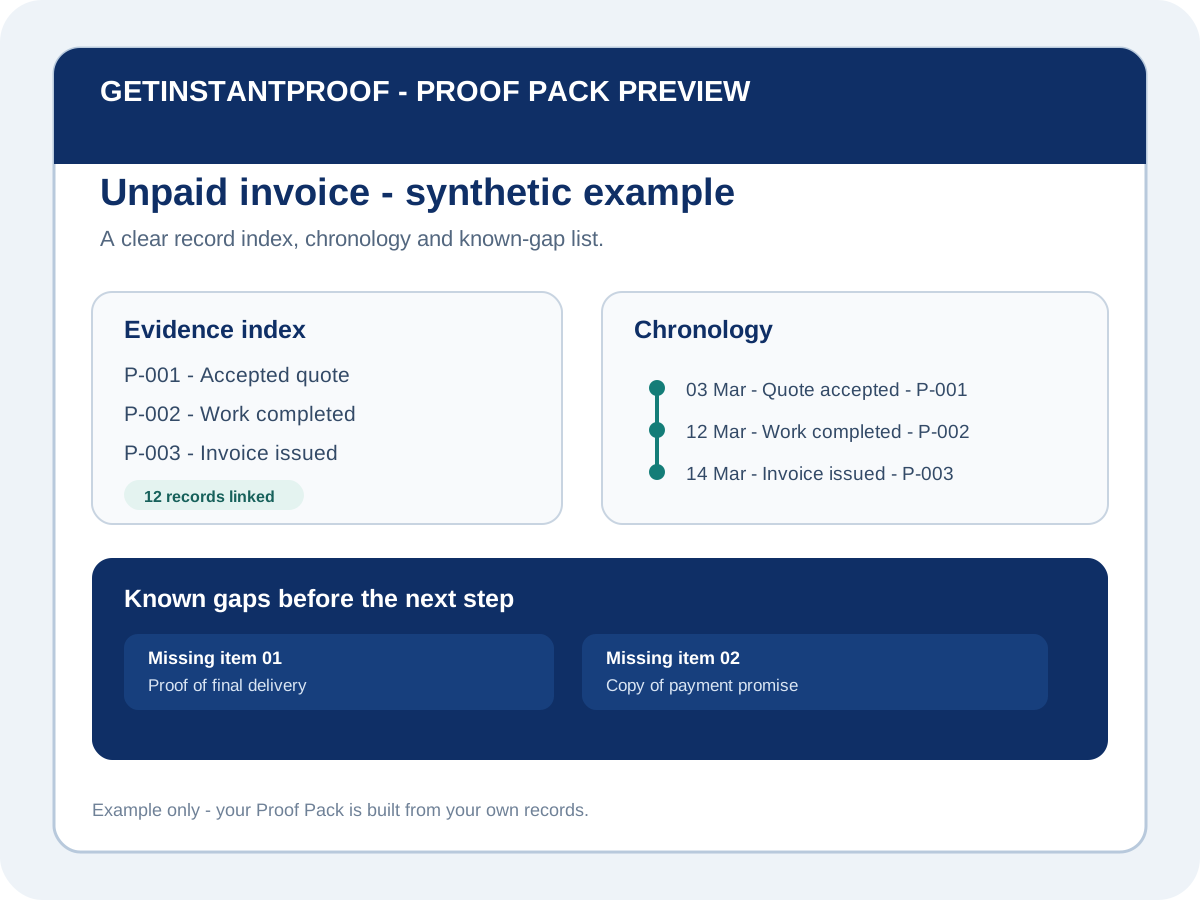 3 · PROOF PACKSee the chronology, index and gaps
What GetInstantProof produces
The output is an organised matter record: a readable chronology, an evidence index, links between important events and source records, and a visible list of information that may still be missing. It is designed to make your own material easier to understand and review.
1. Choose the problem
Start with the matter type so the workspace asks for records that fit the real issue instead of a generic upload list.
2. Select country and state or region
Jurisdiction is collected before location-specific legal information is shown. Proof itself remains focused on organisation.
3. Add the records you already have
- Documents and invoices
- Messages and emails
- Photographs and video references
- Payments, reports and notes
4. Build the chronology
Put events in date order and link each important event to the exact record that supports or explains it.
5. Review and export
Check missing items, preserve originals separately from working notes, then create a readable Proof Pack for your own next step.
What Proof does not decide
GetInstantProof does not decide whether a record is authentic, legally admissible, persuasive or sufficient to prove a legal claim. Those questions depend on the facts, jurisdiction and decision-maker.
When to update the pack
Add later emails, payments, repair records, reports, notices or other developments as they happen. Keeping the chronology current is usually easier than reconstructing the sequence from memory later.
GetInstantProof organises customer-supplied records. It does not verify authenticity, determine admissibility or provide legal advice.