
 1 · COLLECTAgreement
What was agreed
GetInstantProof guide
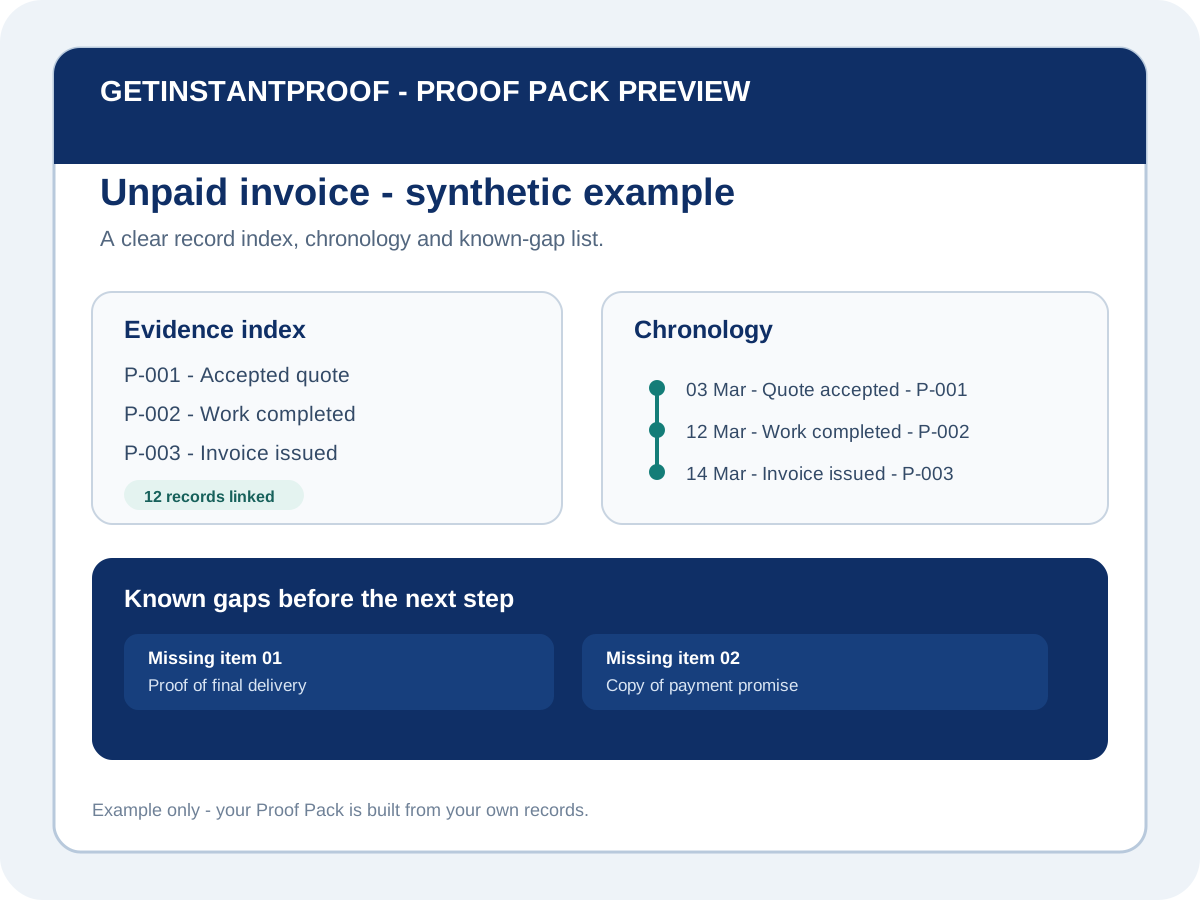
For an unpaid invoice, organise the agreement, proof that the work or goods were supplied, the original invoice and due date, reminders, customer responses, payment promises, part-payments and credits. Link each source record to a dated chronology and mark missing information honestly before choosing a recovery or escalation step.
General information only — not legal advice · Reviewed 2 October 2026
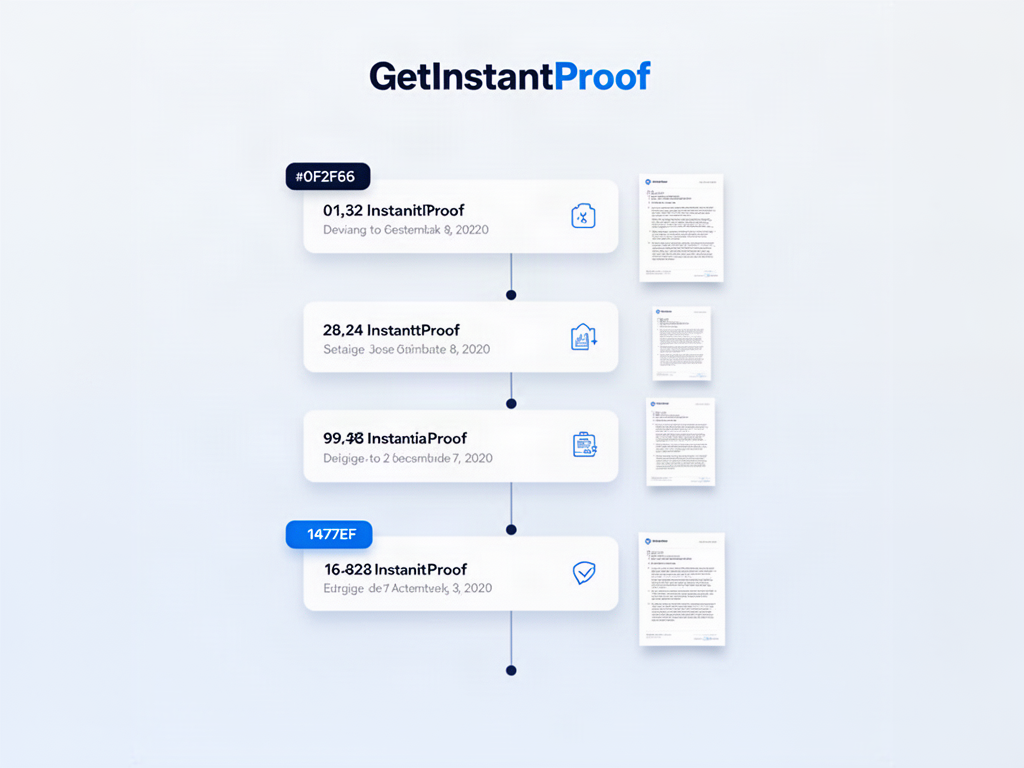
Keep the originals, organise the important records, connect them to the events they support, then make missing information visible.
1 · COLLECTAgreementWhat was agreed
 2 · ORGANISESupply / completion
Proof of delivery or completion
 3 · PROOF PACKInvoice / payment trail
Invoice and payment terms
Add the signed contract, accepted quote, purchase order, scope of work or messages showing what the customer asked you to provide. If the agreement was verbal, create a factual note and label it as a later recollection.
Keep the original invoice, issue date, due date and payment terms. Record credits, adjustments and part payments separately rather than editing the original invoice.
Preserve emails, messages and letters in their original sequence, including replies that dispute quality, scope, delivery, price or the balance.
| Record | Why it matters | Date/status |
|---|---|---|
| Agreement or accepted quote | Shows the recorded scope, price or instructions | Keep the original version |
| Supply or completion record | Connects the invoice to what was delivered or done | Link the delivery/completion date |
| Invoice | Shows the invoiced amount and stated payment terms | Record issue and due dates |
| Reminder or customer reply | Shows what happened after the due date | Keep proof of sending and the full response |
| Payment or credit | Explains changes to the outstanding balance | Record each amount separately |
Organisation example only. Whether a debt is enforceable, and what formal recovery route applies, depends on the facts and jurisdiction.
GetInstantProof organises material you provide. It does not decide whether a debt is legally enforceable or guarantee recovery.
Continue the journey
Common questions