
 1 · BEFORELoose files, messages and screenshots
GetInstantProof guide
How to name and organise evidence files
Use a consistent working-file pattern such as date, category and short description, while keeping original source files separately. The goal is fast retrieval without rewriting the evidence.
General information only — not legal advice · Reviewed 2 October 2026
General organisation guideChoose country and region before relying on jurisdiction-specific legal steps or deadlines.
Choose locationBEFORE → AFTER
Turn scattered material into a record another person can follow.
1 · BEFORELoose files, messages and screenshots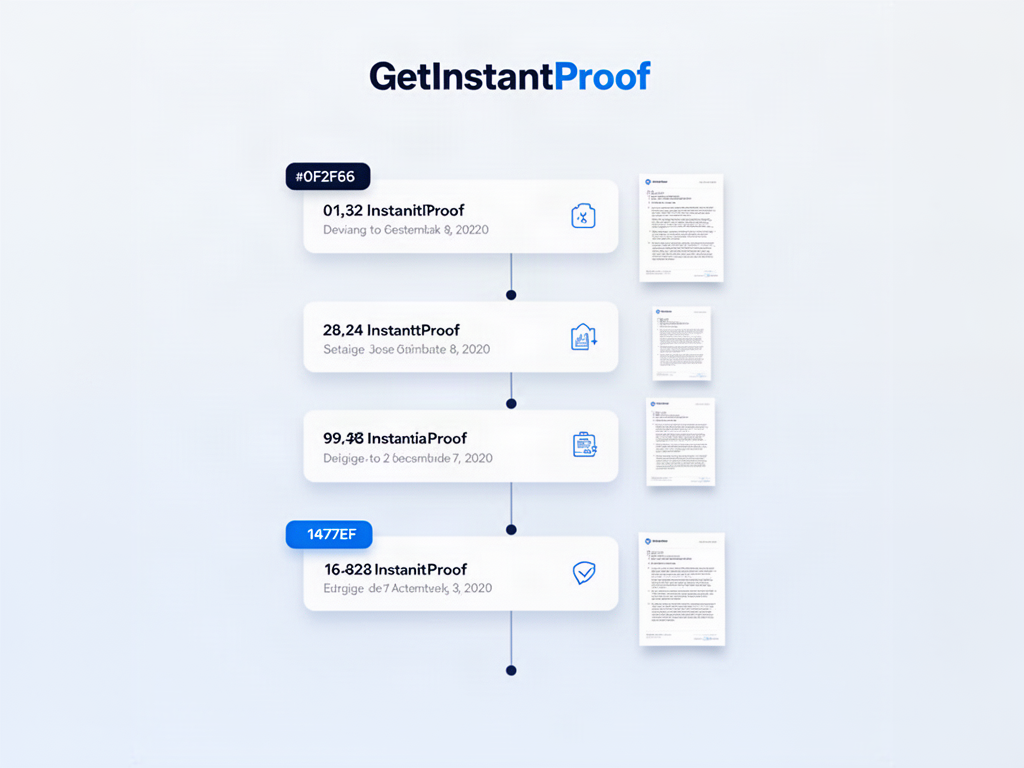 2 · ORGANISEUse one naming pattern
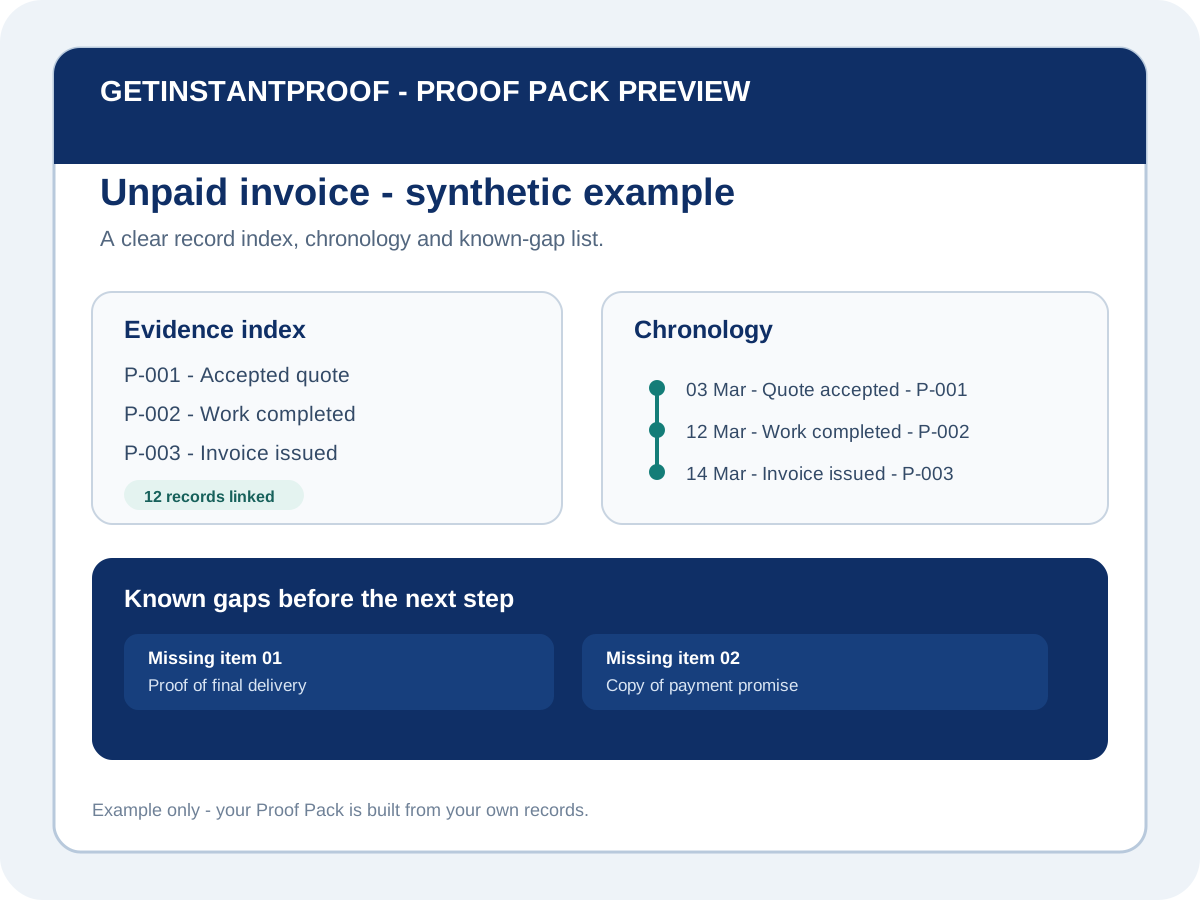 3 · AFTERChronology, index and known gaps
 Before: lots of files, no story After: indexed, dated and reviewable
Use one naming pattern
A consistent pattern makes sorting and searching easier across a large matter.
Lead with dates carefully
Use ISO-style dates for known event dates; do not invent a date just to force sorting.
Use short category labels
Examples include contract, invoice, message, photo, report, payment, notice or repair.
Keep original filenames
Store the untouched source separately and use the renamed version as a working copy if needed.
Practical record
| Working filename | Meaning |
|---|---|
| 2026-03-13_invoice_INV-208.pdf | Invoice issued 13 March 2026 |
| 2026-04-01_email_payment-promise.pdf | Email confirming payment promise |
| date-unknown_photo_vehicle-warning.jpg | Photo with unknown exact event date |
Examples only.
Important limitation
Renaming or categorising a working copy does not change the content or legal status of the original file.
Continue the journey
Use the right tool for the next job
Common questions